Choosing the Right Roofing Material for Different Commercial Environments Feb 15, 2026
Understanding the unique challenges of your commercial environment is the first step to making an informed decision. Factors such as the local climate, the type of business you run, and your budget must be carefully considered. For instance, a business located in a region with heavy rainfall will benefit from roofing materials that excel in water resistance, whereas an establishment in a high-temperature area should prioritize materials that offer superior thermal resistance to reduce cooling costs.
One popular choice for commercial environments is metal roofing. Known for its durability and long lifespan, metal roofing is an excellent option for business owners looking for a low-maintenance solution. It is particularly suited to areas with harsh weather conditions, as it can withstand high winds, hail, and even fire. Additionally, metal roofs are energy efficient, reflecting solar heat and potentially saving costs on cooling.
Another option to consider is built-up roofing (BUR), which has been a staple in commercial roofing for decades. Comprising multiple layers of bitumen, BUR offers exceptional protection against the elements. It’s a particularly good choice for flat or low-slope roofs frequently found in commercial environments. The multiple layers provide superior waterproofing and insulation, making BUR a cost-effective and reliable option.
For businesses seeking environmentally friendly and sustainable options, green roofing is an attractive alternative. Green roofs are covered with vegetation, which provides excellent insulation and significantly reduces energy costs. Moreover, they contribute positively to the environment by reducing heat emissions and improving air quality. While the initial installation costs may be higher, the long-term savings on energy bills and potential tax incentives make green roofing an appealing choice for eco-conscious businesses.
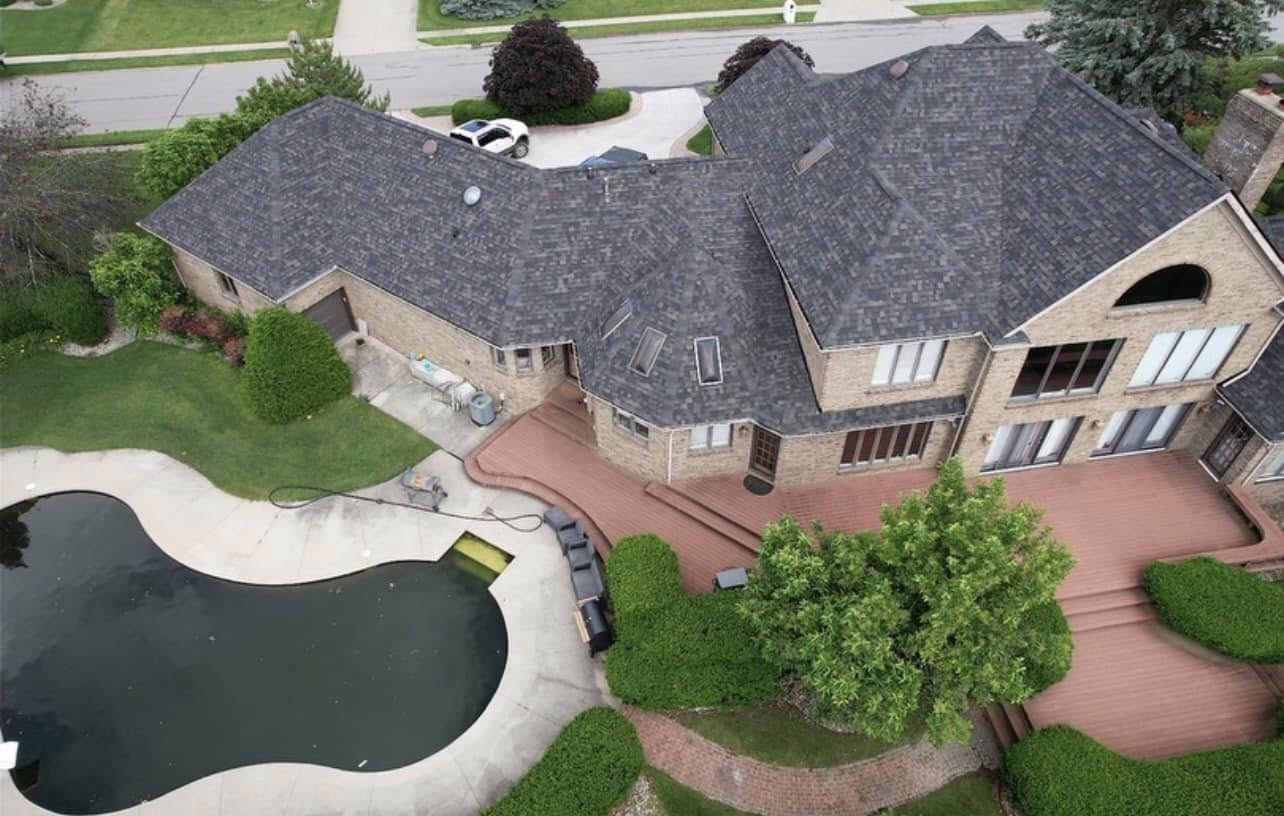
Asphalt shingles, though commonly associated with residential buildings, can also be a viable option for some commercial properties. They offer good weather resistance and are relatively easy to install and maintain. Furthermore, asphalt shingles are available in various colors and styles, offering a degree of customization to match your property’s aesthetic. However, they may not provide the same longevity or durability as metal or built-up roofing and are best suited for smaller commercial buildings with sloped roofs.
Lastly, thermoplastic polyolefin (TPO) roofing is gaining popularity in commercial applications due to its energy efficiency and UV resistance. TPO roofs are known for their ability to withstand temperature extremes and are highly reflective, reducing cooling costs during sunny months. Their flexibility makes them suitable for a range of building shapes and structures, and they are also resistant to chemical exposure, making them ideal for certain industrial settings.
In conclusion, selecting the right roofing material for your commercial environment involves evaluating various factors, including geographical location, building type, and budget. At Bermuda Roofing and Remodeling, we are committed to helping you navigate these choices and find the roofing solution that meets your unique needs. A well-chosen roofing material not only protects and enhances your property but also contributes to the operational efficiency of your business. Reach out to our experts for guidance tailored to your specific commercial roofing requirements.
/filters:no_upscale()/filters:format(webp)/media/e9bc52ff-bfc4-4b28-a834-23f9ff1d108b.png)